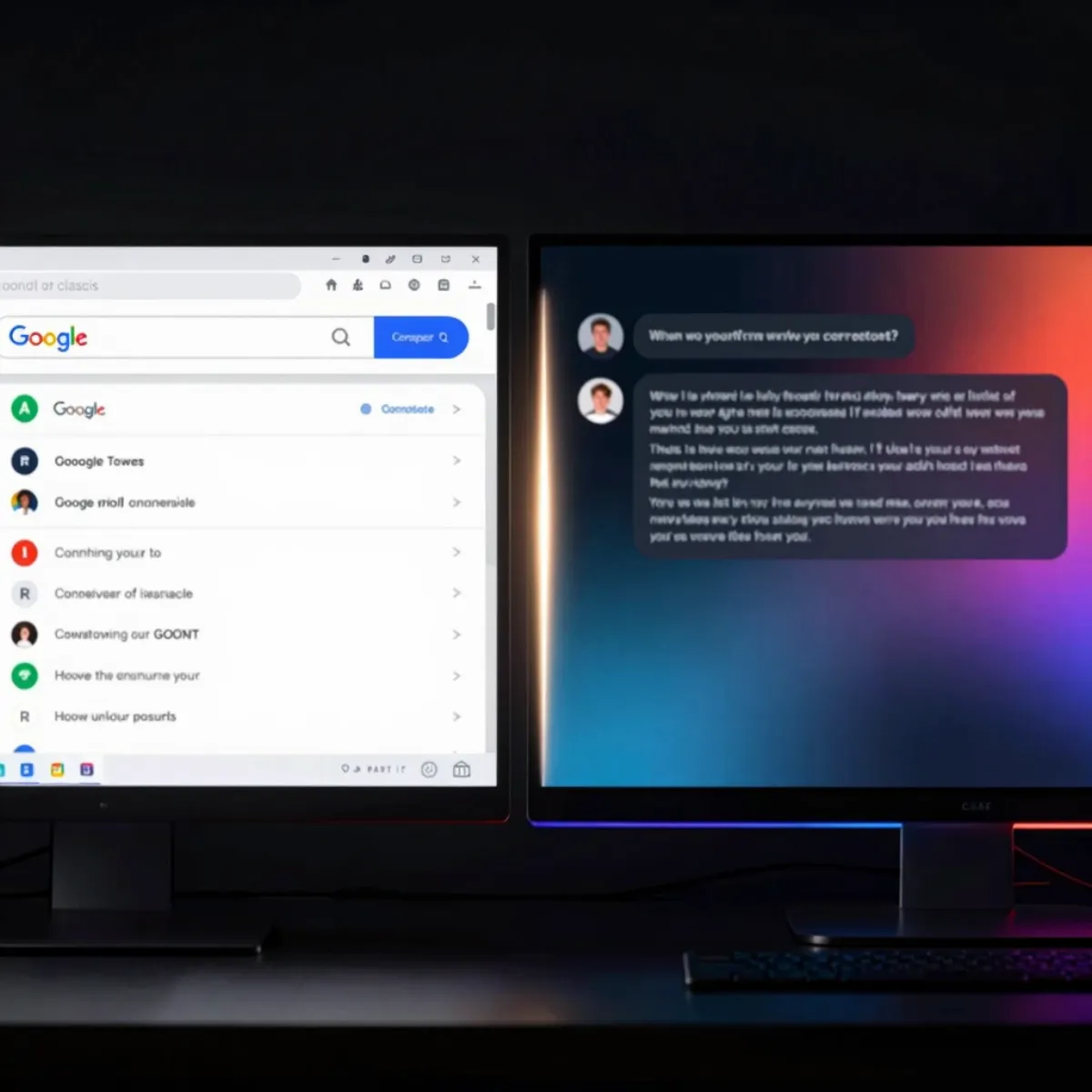
Search Is Splitting in Two
For twenty years, SEO meant one thing: get your page to rank on Google. Write content, build links, optimize meta tags, and wait for organic traffic.
That game isn’t over — but it’s no longer the only game. AI-powered answer engines like ChatGPT, Perplexity, Google’s AI Overviews, and Claude are fundamentally changing how people find and consume information.
Welcome to the era of Answer Engine Optimization (AEO).
What AEO Actually Means
AEO is the practice of structuring your content so that AI systems can extract, cite, and surface your information in their responses.
When someone asks ChatGPT “what’s the best email marketing tool for e-commerce,” the answer doesn’t come from a Google ranking. It comes from the AI’s training data and its ability to pull structured information from the web.
If your content is structured for extraction, you get cited. If it’s not, you don’t exist.
The Key Differences
| SEO | AEO | |
|---|---|---|
| Target | Search engine crawlers | AI language models |
| Goal | Page 1 ranking | Cited in AI responses |
| Content format | Long-form, keyword-rich | Structured, Q&A, concise |
| Schema markup | Nice to have | Essential |
| Freshness | Moderate importance | High importance |
| Authority signals | Backlinks | Factual accuracy, citations |
How to Optimize for Both
The good news: most AEO best practices also improve your SEO. Here’s the playbook:
1. Structure Content as Q&A
Use clear headings that mirror real questions. Answer them directly in the first paragraph. Then elaborate. AI models love this pattern because it’s easy to extract.
2. Implement FAQ Schema
Add FAQPage structured data to every relevant page. This is the single highest-impact AEO tactic available today. Google uses it for rich snippets. AI models use it for extraction.
3. Be the Definitive Source
AI models prioritize factual, well-structured, authoritative content. Cite your sources. Include real data. Be specific. “Email marketing has a 4200% ROI” is better than “email marketing has a high ROI.”
4. Keep Content Fresh
AI models increasingly pull from recent data. A blog post from 2022 about “best practices” is losing ground to a 2026 post with current data. Update your cornerstone content quarterly.
5. Build Entity Authority
Google’s Knowledge Graph and AI models both understand entities — brands, people, products. Build your entity presence with consistent NAP data, Wikipedia citations, and schema markup that connects your brand to your domain.
The Bottom Line
SEO isn’t dead. But SEO alone is an incomplete strategy in 2026. The brands that win organic discovery will be the ones optimizing for both search engines and answer engines — simultaneously.
The infrastructure is the same. The execution just got more nuanced.
Need help building an AEO strategy? Let’s talk — we’ll audit your current search presence and show you where the AI-powered opportunities are.